
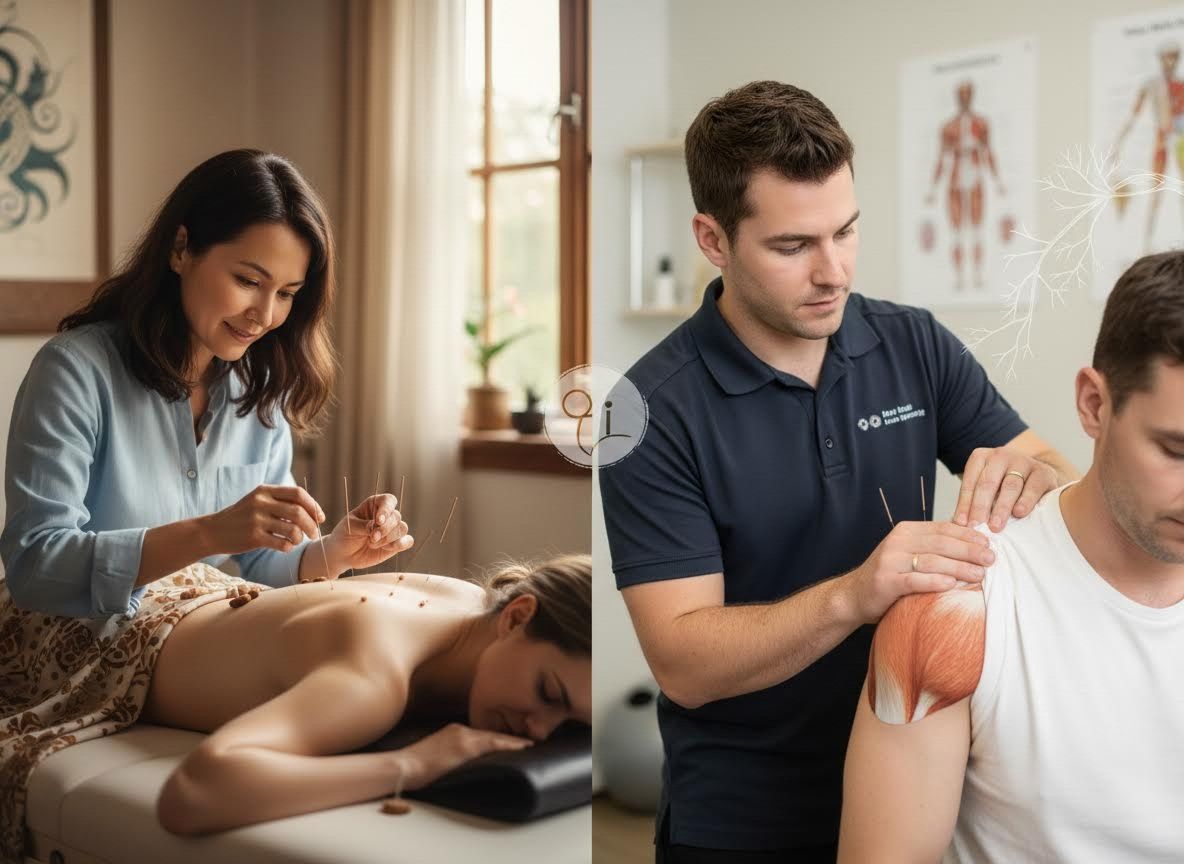
With the growing interest in complementary medicine, many individuals are encountering terms like dry needling and acupuncture, often wondering about their similarities and differences. While both techniques involve the insertion of fine needles into the body, their underlying philosophies, diagnostic approaches, and treatment goals diverge significantly. At Five Element Chicago, we believe in empowering our community with knowledge to make informed decisions about their personalized health journey. This discussion aims to clarify the core distinctions between these two powerful therapeutic modalities.
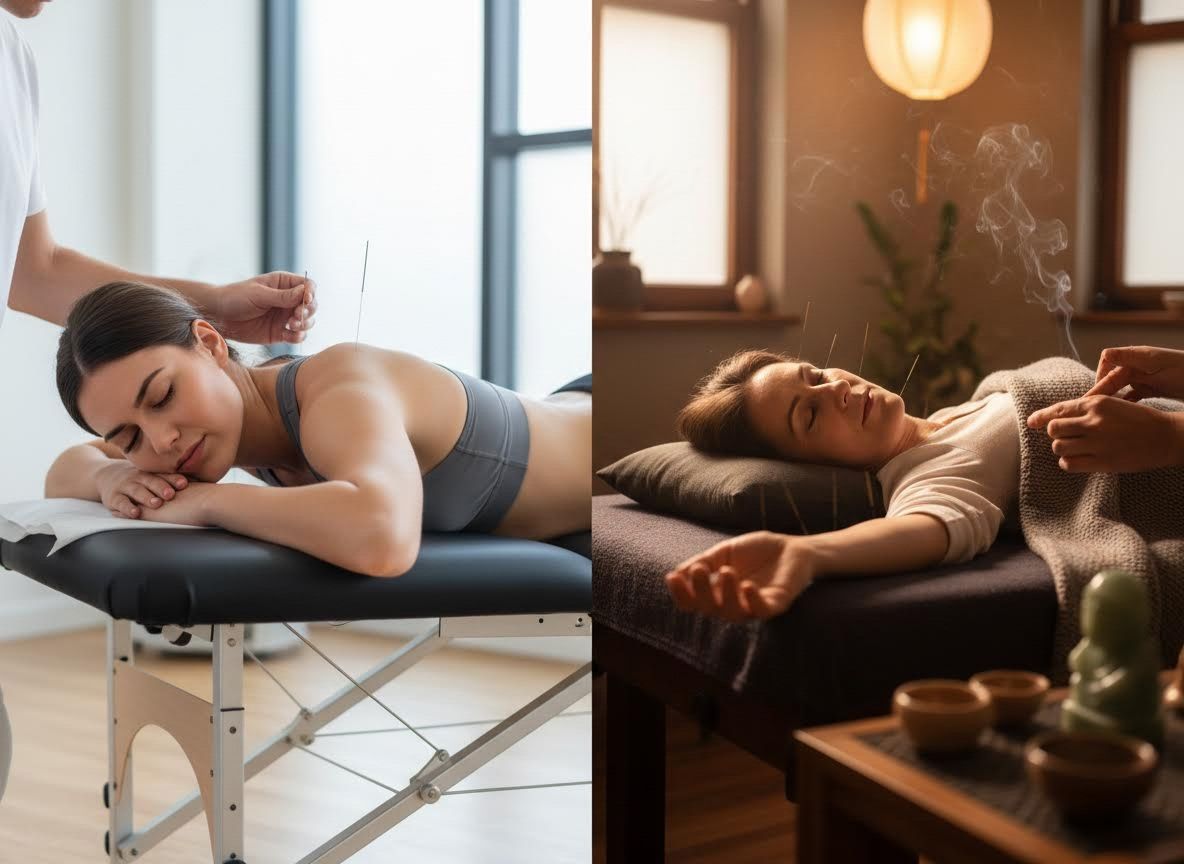
The Ancient Roots of Acupuncture
Acupuncture is an ancient healing art, deeply rooted in Traditional Chinese Medicine (TCM), with a history spanning thousands of years. Its philosophical framework is based on the concept of Qi (vital energy) flowing through specific pathways in the body known as meridians. Illness or pain is understood as a disruption or blockage in this flow. The primary goal of acupuncture is to restore the harmonious flow of Qi, thereby unblocking or balancing the body's vital energy. Practitioners use a comprehensive diagnostic approach that includes pulse and tongue analysis, observation, and detailed questioning to identify patterns of imbalance unique to each individual. Acupuncture treatments address a wide spectrum of conditions, from chronic pain and digestive issues to emotional distress and life transitions, by targeting specific points on these meridian pathways.
Understanding Dry Needling
In contrast, dry needling is a more contemporary technique that originated from Western medical principles, particularly focusing on musculoskeletal and neuropathic pain. It is often employed by physical therapists, chiropractors, or medical doctors. The technique involves inserting a "dry" needle—meaning no medication is injected—into myofascial trigger points, which are hyperirritable spots within a taut band of skeletal muscle. The aim is to elicit a local twitch response, which can help to release muscle tension, reduce pain, and improve range of motion. Dry needling is primarily used to treat pain and dysfunction in muscles and connective tissues, addressing issues like muscle knots, sprains, strains, and some forms of nerve pain. Its focus is localized and biomechanical, targeting specific anatomical structures.

Key Distinctions in Practice and Philosophy
The fundamental difference between acupuncture and dry needling lies in their theoretical underpinnings and diagnostic methodologies.
Acupuncture operates within a holistic paradigm, viewing the body as an interconnected system where symptoms are manifestations of deeper energetic imbalances. This approach leads to highly individualized acupuncture treatments that consider the whole person—physical, emotional, and spiritual—and aim to treat the root cause of illness.
Dry needling, however, is guided by a Western anatomical and physiological understanding, specifically targeting muscular trigger points to alleviate local pain and restore function. While both use similar tools, the practitioner's training, diagnostic process, and therapeutic intent are distinct.
A licensed acupuncturist undergoes extensive training in TCM theory, diagnosis, and point location, whereas dry needling training for other medical professionals is typically much shorter and focused on specific anatomical areas.
Restoring Balance for Long-Term Health
Understanding the distinctions between acupuncture and dry needling allows individuals to choose the most appropriate path for their health concerns. While dry needling can be effective for localized muscle pain relief, acupuncture offers a broader, more holistic approach to health and well-being, addressing complex conditions and supporting the body's innate healing capabilities for long-term vibrant health.
At Five Element Chicago, Dr. Steven J. Reiman and our team specialize in Five-Element acupuncture and integrative therapies, offering diagnostically unique and tailored care to set a new course for your physiology. To learn more about how our personalized, root-cause approach can support your health journey, we invite you to explore the services and educational resources available on our website.